
by Terri Dee
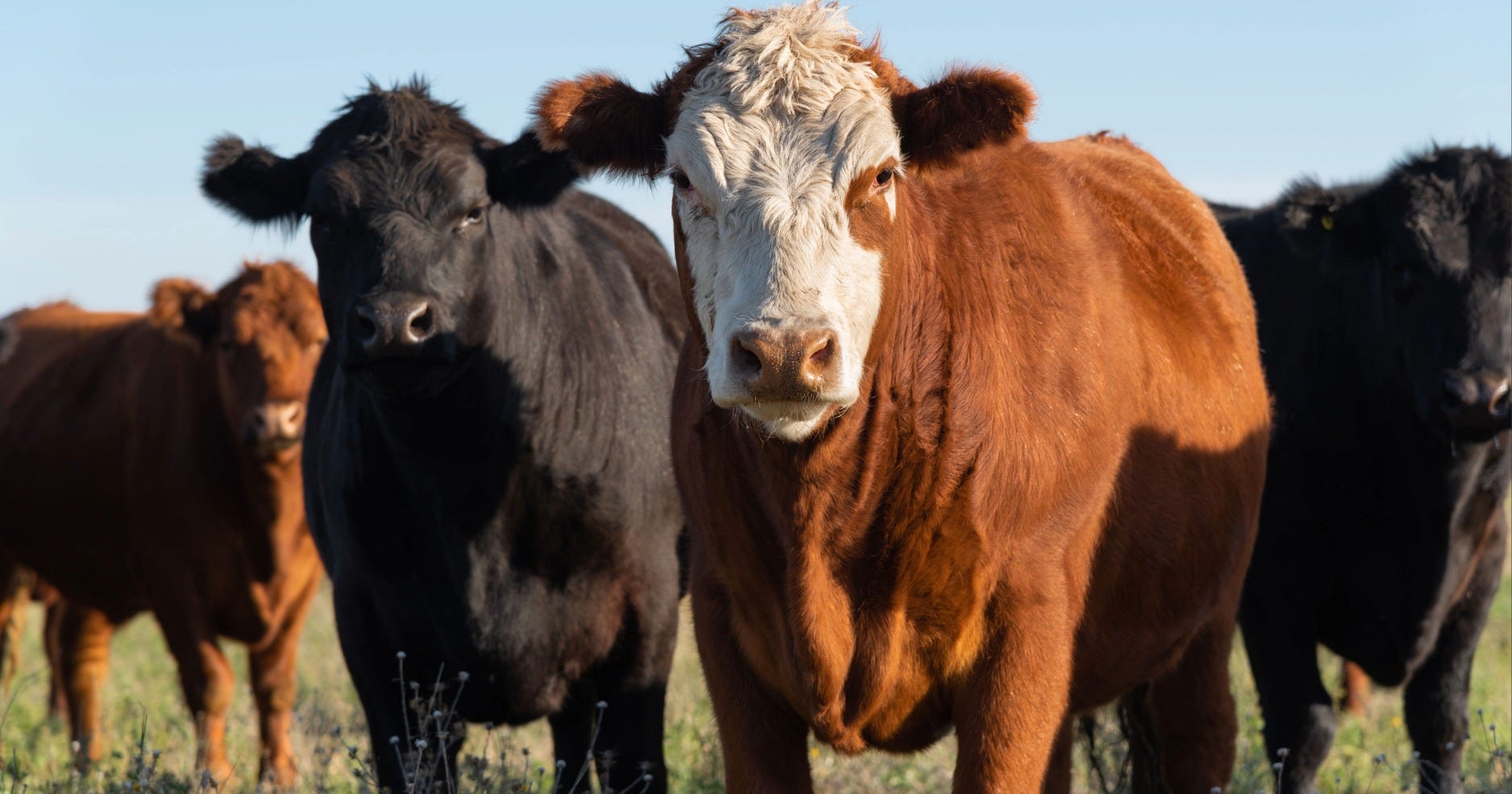
INDIANAPOLIS (Indiana News Service) - Beef is plentiful in Indiana, which means prices for prime cuts are remaining relatively stable. Other areas of the country are not so lucky, as a national cattle shortage is causing prices to skyrocket in most states.
According to a 2026 USDA National Agricultural report, there are 28.5 million beef cows in the United States, a decrease of 1% from last year.
Brian Shuter, executive vice president of the Indiana Beef Council, said the widespread drought western cattle producers have battled over the last few years has not affected the Hoosier state.
“We’re blessed with a climate that is productive for beef cattle production,” Shuter explained. “We get timely rain, so grass grows well here in Indiana and allows farmers to run cows, especially in southern Indiana.”
The report showed cattle on feed, which are those being prepared for slaughter, numbered at 13.8 million, a 3% decrease from 2025.
As Hoosiers keep a watchful eye on household budgets, Shuter pointed out the council continues to see strong statewide support for the beef industry. Consumers still want to enjoy a steak at their dinner table, Shuter noted, and prices have not discouraged their purchasing decisions. Beef producers harvest a range of other crops to offset operating costs while maintaining the quality of their herds, he added.
“A lot of our farms that have cattle on them are diversified operations. Crop production right now is not real profitable, but cattle production has been,” Shuter emphasized. “It helps to have an enterprise that continues to be profitable and allow them to stay in business.”
Missouri-based Farm Action, a nonprofit agriculture watchdog group, would like to see more regulation to replenish the nation’s beef supply.
Creating greater competition among meatpackers, offering tax credits to ranchers who retain heifers and mandating country-of-origin labeling so consumers can be better informed are some considerations the group has offered.